


In 1972, off the coast of Riace Marina in southern Italy, a diver discovered two life-size bronze statues lying on the seabed. They are rare intact Greek bronze sculptures that reveal advanced casting techniques and refined aesthetics dating to the Early Classical period of Greek art in the 5th century BCE.
In addition to bronze, these sculptures used copper for lips and nipples; silver for teeth; and calcite and glass for eyes.

We reached Reggio Calabria in the late morning, the Strait of Messina shimmering like a sheet of hammered metal. The museum sits quietly in the middle of it, silently holding its secret treasure.
Inside, the air changes. The Museo Nazionale della Magna Grecia keeps the temperature low and the light soft, and our footsteps sound different on the polished floor. We follow signs down a short corridor, and then the room opens up.
Then there they are.

Statue B feels older, more measured, the weight of his body settling into the contrapposto with a kind of seasoned calm. His beard is more elaborate, his gaze more inward. Together they feel like two chapters of the same story — youth and experience, tension and restraint — frozen at the moment before something happens.

We circle them slowly. Everyone does. It’s instinctive. The bronze surfaces ripple with the faintest traces of the ancient casting process, and the inlaid eyes follow you with unnerving precision. We think about the ship that carried them, the storm that took them, the centuries they spent in darkness on the seabed. And then the diver in 1972, surfacing with a story no one believed at first.
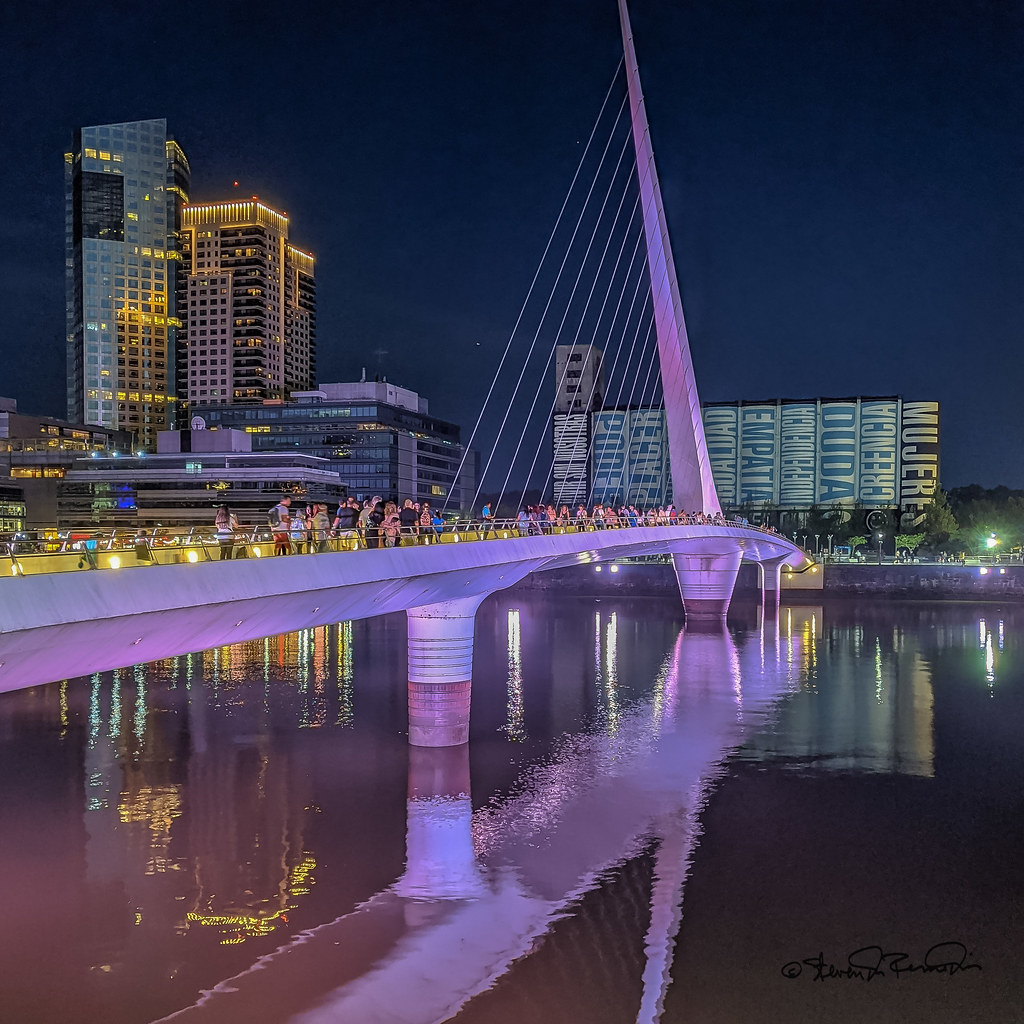
This rotating suspension bridge, was designed by Santiago Calatrava and finished in 2001, named "Women's Bridge".

Finland has been the battle ground of crusaders from Sweden and Germany; and occupied by Russia. Suomenlinna (Our Land) is a fortress built by Finland for naval defense on a group of islands near Helsinki.

The Sanctuary of Nossa Senhora dos Remédios doesn’t just sit above Lamego; it hovers there like a promise. We see it long before we reach it—white stone catching the Douro light, the twin towers rising from a crown of trees, as if the hill itself had decided to pray.

The sanctuary rises above us, serene and slightly austere, its façade a blend of Baroque exuberance and Portuguese restraint. Inside, the light is gentle, filtered through gilded altars and the soft glow of votive candles. It feels less like entering a building and more like stepping into a held breath.

From the top, Lamego becomes a miniature—rooftops, orchards, and the distant shimmer of the Douro valley. The air thins into something quieter, more expectant. Pilgrims pause here, not out of fatigue but reverence, as if the hill is asking them to listen.
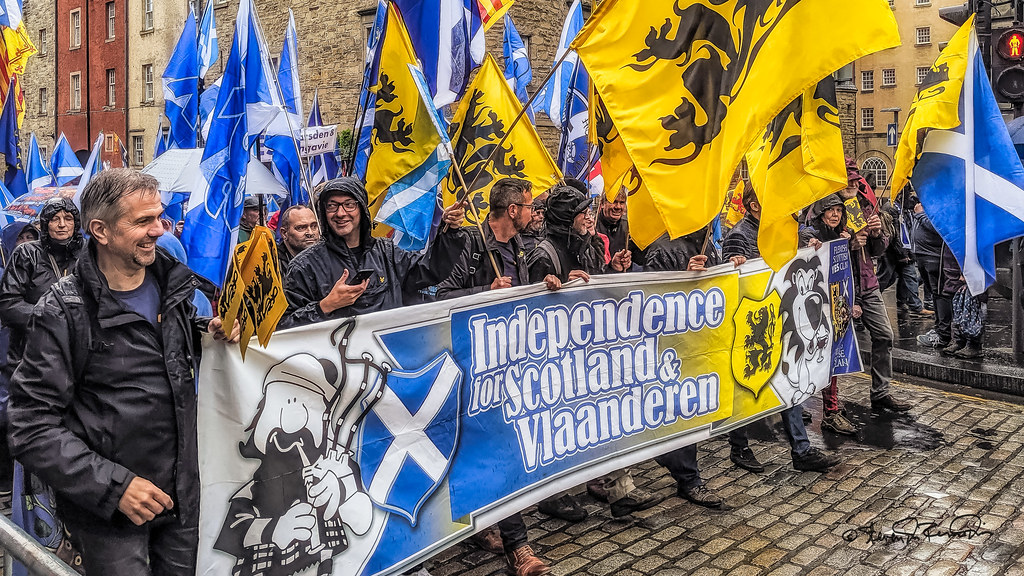
Scotland and the UK have been at odds for centuries. Thousands of people have attended a pro-Scottish independence march through the streets of Edinburgh as organizers insist momentum is growing in the face of Brexit.
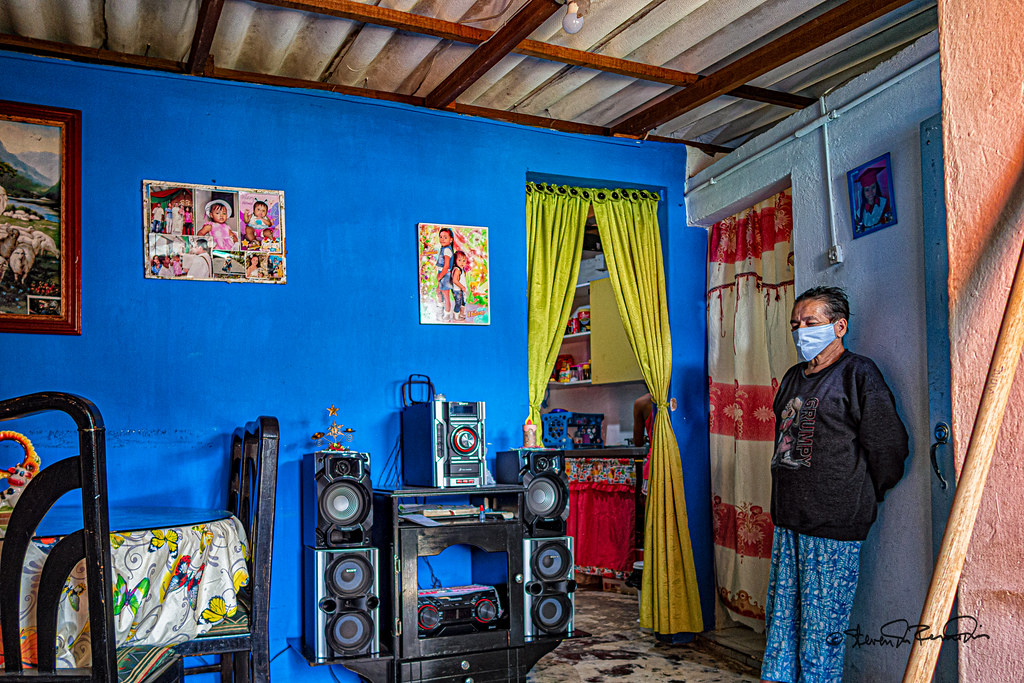
There are social-economic strata defined by law that classifies neighborhoods into one of six levels, one being the poorest and six being the wealthiest. The poor have housing and utilities subsidies and pay lower taxes while the rich pay more.
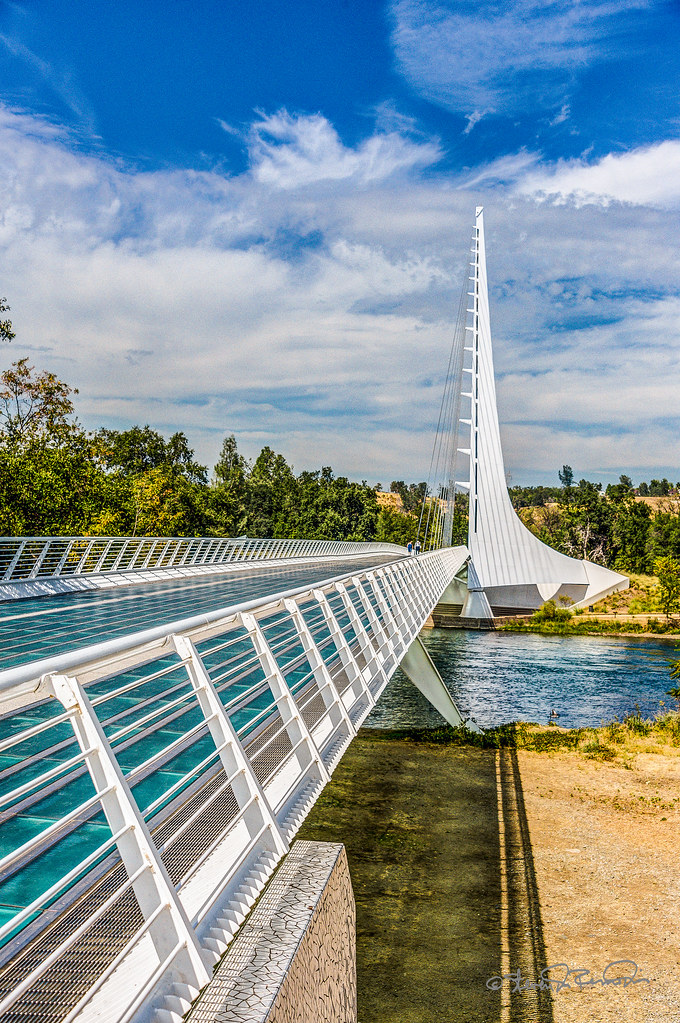
Santiago Calatrava designed this footbridge as an enormous sundial. Completed in 2004, it's an international attraction for architecture fans.
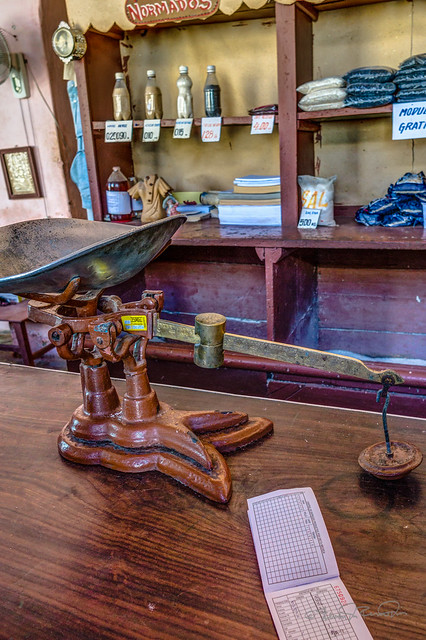
Everyone in Cuba gets a Supplies Booklet that is essentially a ration book. Qualified supplies are subsidized at a below-market rate and quantities are limited to prevent black market resale.
Page 5 of 7